


AI is changing more than how companies are built. It is shifting who gets access, who gets opportunities, and who gets to succeed in the first place.
In this episode of Women Disrupting Tech, Melissa Solis and I explore:
What happens when technology, leadership, and values collide
How AI is shifting access and opportunity in practice
Why agency matters just as much as innovation
Hit play to listen to the episode or scroll down to dive deeper into the lessons from our conversation.
3 Lessons From This Conversation
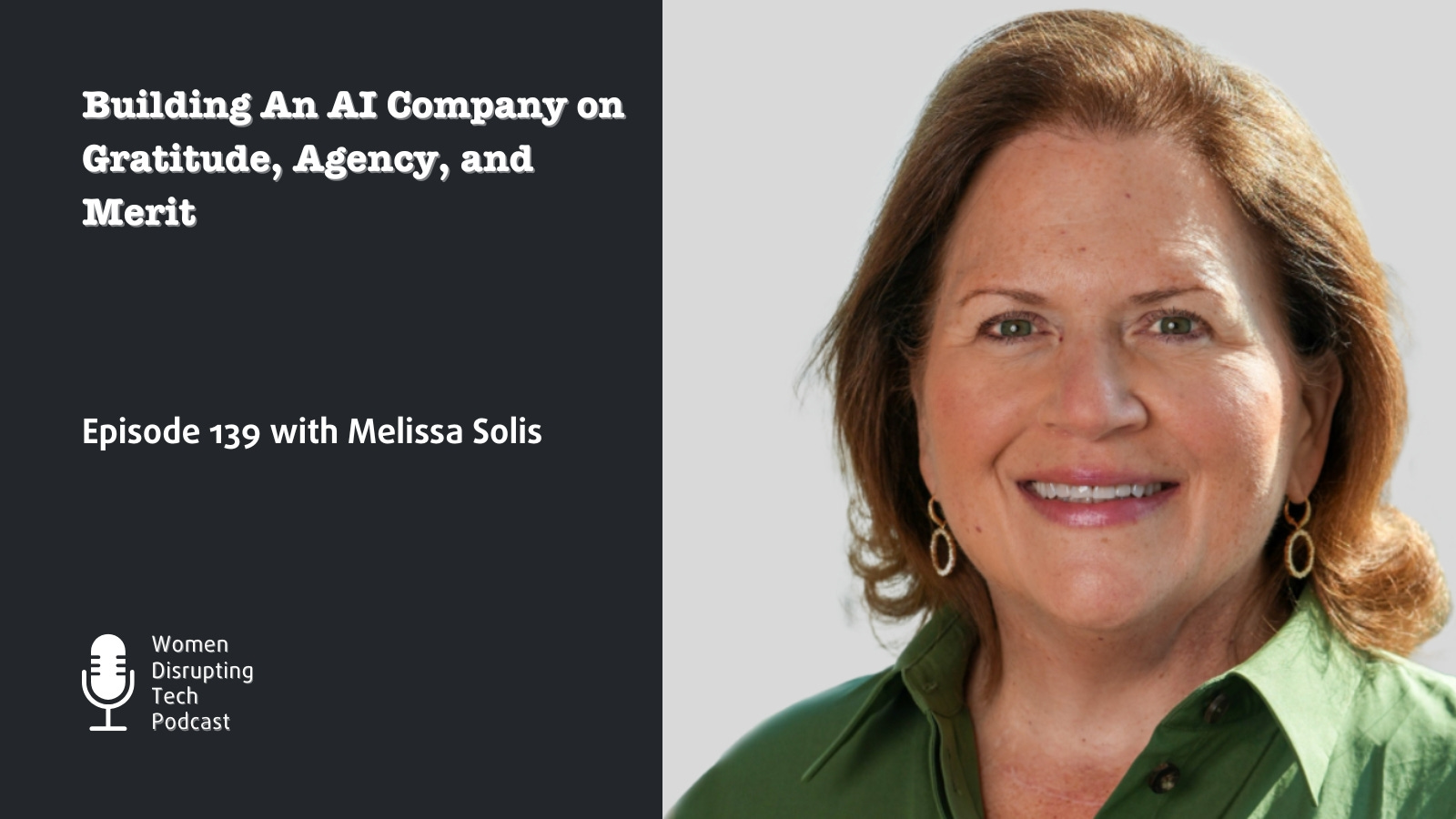
We know that many AI implementations fail because humans get in the way. Melissa argues that when leaders slow down to understand real problems, refuse to normalize disrespect, and respect the effort behind meaningful outcomes, better systems emerge.
AI fails when leaders rush to monetize instead of understanding the real problem
Many companies push AI through because leadership prioritizes short-term revenue over long-term relationships. When success is measured by quick wins rather than customer outcomes, listening stops too early. AI becomes a sales tool instead of a way to truly help customers, and that’s where trust and value break down.
You can’t force people to respect you, but you don’t have to accept disrespect
Melissa has an unpopular opinion about DEI. She argues that no law can force people to respect each other. But that doesn’t mean that women should accept being passed over and treated poorly. Her advice is practical and direct: go where you are celebrated, not merely tolerated. And if that place doesn’t exist yet, build your own table.
Effort changes how we value outcomes and how we lead
Nothing meaningful comes free. Melissa’s story shows how sacrifice and effort deepen appreciation, responsibility, and respect for what is built. This perspective shapes how she leads teams, values merit, and pushes back on simplified narratives about privilege or entitlement.
These lessons point to the same underlying truth. Sustainable progress, in AI and in leadership, starts with creating trust, dignity, and long-term value for the people inside them and the customers they serve.
Or scroll down for the magic moments in the episode.
Magic Moments From The Episode
This episode had several moments where Melissa’s leadership philosophy became tangible, because they’re based on lived experiences. Here are three to help you on your journey as an aspiring leader in AI and tech.
Gratitude as an attitude
When Melissa talks about gratitude, it’s not a performance or a leadership trick. It’s something she learned early and carried with her. An “attitude of gratitude” shows up in how she treats people, how she leads teams, and how she thinks about success. It’s not about being nice. It’s about recognizing effort and making people feel seen.
Sam Walton coming to thank employees
The story of Walmart founder Sam Walton thanking employees in one of his stores isn’t merely symbolic. Melissa uses it to underline a simple belief: leadership is about paying attention and acknowledging the people who do the work. That kind of behavior creates loyalty, trust, and ultimately better businesses.
“Go where you are celebrated” and “build your own table” as lived leadership
This is not abstract advice. These statements reflect choices she actually made. When respect wasn’t there, she didn’t wait for permission or validation. She chose agency. Sometimes that meant walking away. Other times it meant building something new and setting a different standard from the start.
Together, these moments reinforce the same idea. How you show up as a leader is defined by your daily choices about how you treat people and what you are willing to stand for.
💬 What was the moment in this episode that stood out to you most? Let me know in the comments.
Practical Takeaways for Founders
If there’s one practical thread running through this episode, it’s that you should listen before proposing solutions or trying to improve your bottom line by pushing your solution down customers’ throats. Long-term value comes from solving what actually matters, even when it takes more time. But Melissa shares three more lessons that may be less obvious but equally important.
Be explicit about what you want from relationships
Whether it’s customers, partners, or investors, clarity prevents friction. Say what you expect, what success looks like for you, and what you are willing to invest in return. Ambiguity may feel polite, but it often leads to misalignment later.
Hire for ability, not pedigree
Melissa’s perspective is clear. Capability beats credentials. Look for people who can learn, adapt, and do the work, not just those with impressive logos on their résumés. AI changes who gets to succeed if leaders are willing to hire accordingly.
Curate a small circle of truth-tellers
You don’t need many friends around you. You need a few people who tell you what you need to hear, not what feels comfortable. Honest feedback builds resilience and keeps you grounded when decisions get hard.
Taken together, these takeaways point to a founder mindset built on patience, clarity, and trust rather than speed or status.
Know a founder who could benefit from these lessons? Use the share button below to pass the episode on.
Or scroll down for the quote from the episode.
The Quote From The Episode
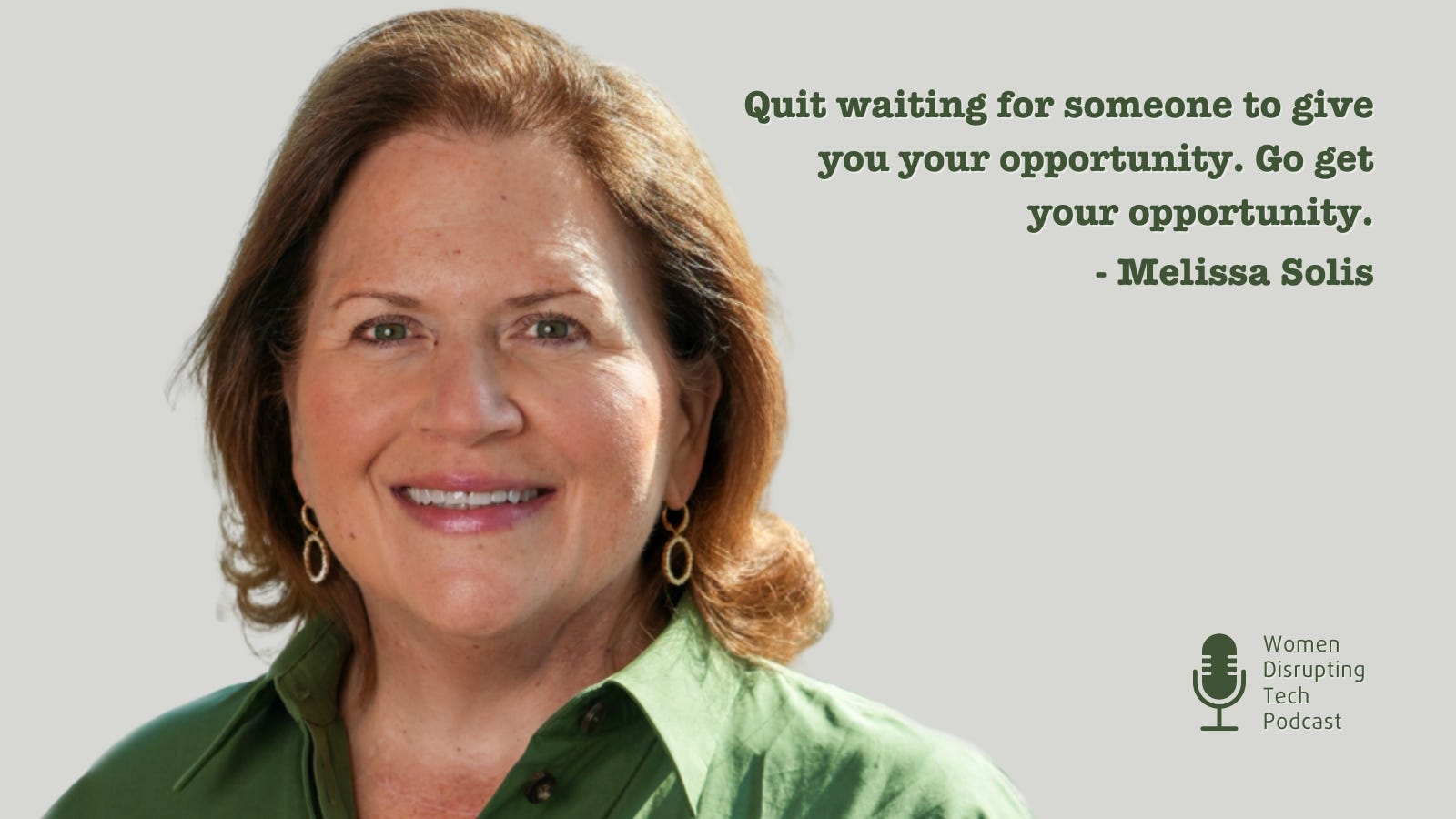
“Quit waiting for someone to give you your opportunity. Go get your opportunity.”
(25:34)
This quote reflects a deeper belief that runs through the entire conversation. You cannot force people or systems to respect you. But you are not powerless either. Agency starts when you stop waiting for permission and take responsibility for creating the conditions you need to do your best work.
It’s also why her advice to “go where you are celebrated” and, when necessary, “build your own table” feels credible. These are not slogans. They are choices she has made herself.
3 Things That Changed The Way I Think
One of the reasons I like this conversation so much is that Melissa has some opinions that are not widely held in Europe on DEI, the opportunity of AI, and entrepreneurship. If, like me, you believe that we should understand the other side of these debates, this episode will serve you just right.
Entrepreneurship as a moral response to disrespect
I’ve often seen entrepreneurship framed as ambition or independence. Talking to Melissa shifted this view. When people are consistently disrespected, and the system shows little willingness to change, starting your own company can be a logical choice. Not to escape, but to model a better way of treating people and building value.
AI as the great equalizer, especially when it comes to education
Melissa’s view on AI challenges how we still tie opportunity to formal credentials. But she argues that if you’re willing to put in the effort, learn continuously, and apply what you learn, a Stanford degree is no longer the gatekeeper it once was. And that has profound implications for who gets to build, lead, and succeed in tech.
The nuance of gender dynamics at work
We often talk about how men can support women. But what can look like a lack of empathy or support from male colleagues may sometimes be rooted in their own pressures, sacrifices, and unspoken responsibilities. It adds an important layer to how I think about dialogue. Progress becomes more likely when we seek to understand motivations instead of assuming intent.
Together, these shifts reminded me that better systems are built through agency, effort, and curiosity. Not by flattening people into categories, but by taking their experiences seriously.
💬 What changed your thinking as you listened to this episode? I would love to hear from you in the chat.

Coming Up on Women Disrupting Tech
Next week, it’s time for a deep dive into the world of women’s health. And there’s no better guide than Ida Tin, the woman who coined the term Femtech.
She shares her journey from co-founding Clue to building the Femtech Assembly. At one point in our conversation, she asks us to think of women’s health as societal infrastructure.
We talk about everything from continuous hormone data to better prevention, and from policy choices to how investors allocate capital. Once you hear it, it becomes hard to see women’s health as a niche topic again.
That episode with Ida is coming up next on Women Disrupting Tech. If you want to hear it when it drops, make sure you subscribe below.
What I Want to Leave You With
My conversation with Melissa reminded me that AI can shift access and opportunity, but technology alone doesn’t build fair systems.
People do. Through the choices they make about how they treat others, what they value, and when they decide to stop waiting for permission to build something better.
Listen to the full conversation with Melissa Solis by hitting play or find it on Spotify, Apple Podcasts, or YouTube. And if this episode sparked something for you, or if you know someone who’s navigating similar questions about leadership, AI, or agency, this might be a conversation worth sharing.
Until the next episode, as always, keep being awesome.
Dirkjan
About Melissa Solis
Melissa Solis is the Chief Executive Officer of Inbenta, bringing more than three decades of leadership across technology and enterprise organizations.
Before Inbenta, she co-founded GIACT Systems and led it as CEO through a successful acquisition by Refinitiv (a London Stock Exchange Group company), building a strong global client base and a reputation for results in risk and fraud technology.
At Inbenta, Melissa guides a global AI team focused on creating enterprise-ready solutions that help companies simplify operations and truly solve customer problems. Her leadership is shaped by lived experience, resilience, and a commitment to building systems where effort, respect, and human outcomes matter.
You can connect with Melissa on LinkedIn.
About Inbenta
Inbenta is a technology company that delivers AI-powered solutions designed to enhance customer and employee experiences through intelligent automation.
Founded in 2005, Inbenta’s platform combines conversational AI, semantic search, and generative technology to help organizations unify knowledge, automate workflows, and support real-time interactions across channels.
With a patented Semantic Lexicon and decades of innovation, Inbenta’s AI is trusted by thousands of enterprises worldwide to drive scalable, accurate outcomes that prioritize user experience and business value.
You can learn more about Inbenta on the Inbenta website and by following the LinkedIn page.


