


What if burnout isn’t about working too hard, but working against yourself?
In this episode, I sit down with Alice Pavin to explore a different layer of performance. Not pitch deck tactics or funding strategy, but the inner operating system of the founder. We talk about the power of silence, how to regulate your nervous system, and what happens when you learn to listen to the body’s whisper instead of overriding it with hustle.
At the heart of the conversation is a simple truth: the mind is an incredible tool, but it should not choose your destination in business or in life. The heart tells you where to go. The mind helps you get there.
This episode expands the founder toolkit beyond optimization and into alignment. Hit the play button to listen, or scroll down to explore the lessons from this conversation.
3 Lessons From This Conversation
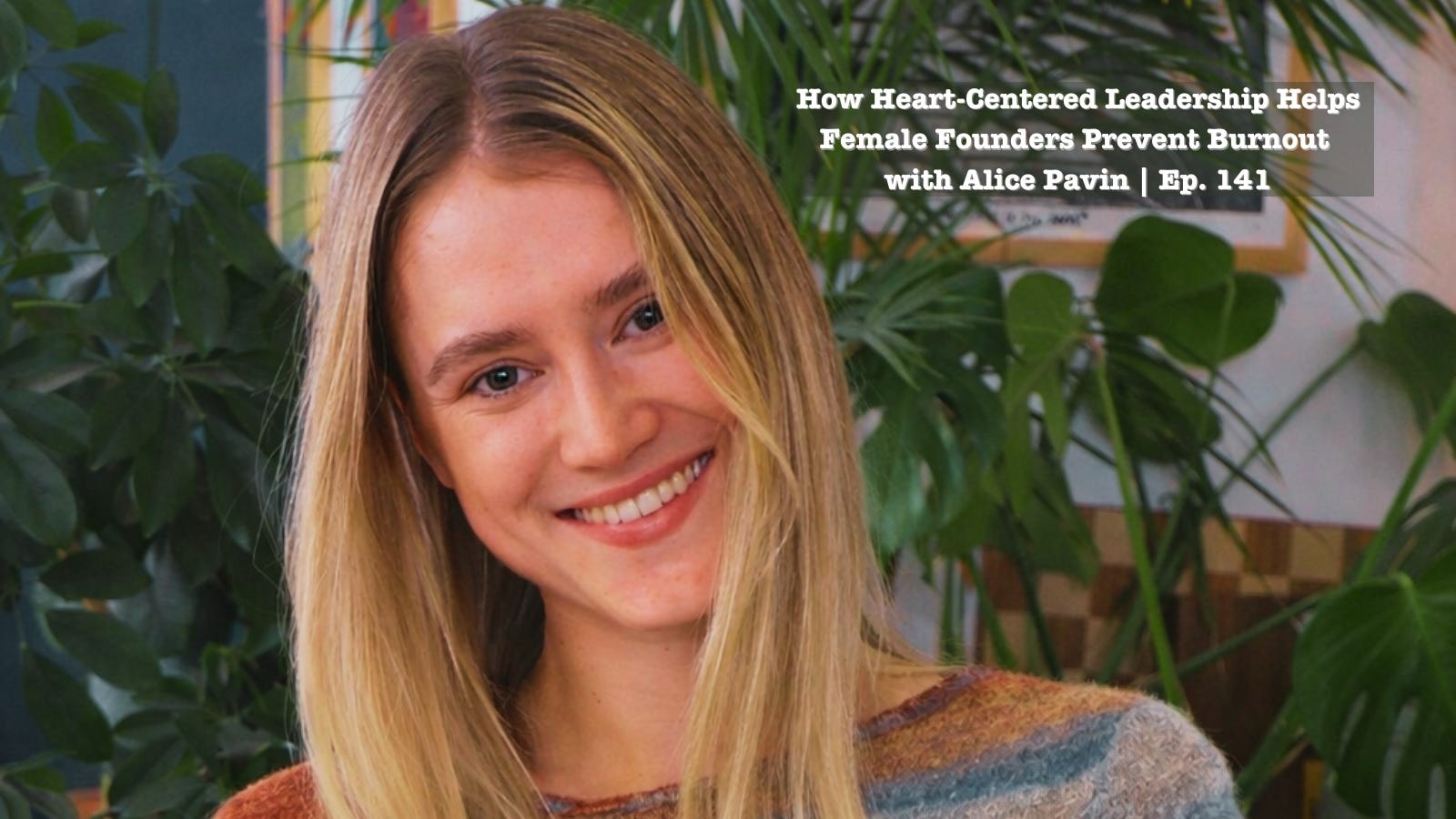
If alignment is a precondition for sustainable performance, then the real work starts before the strategy. In this episode, Alice shares three lessons that invite you to build from that place.
1. Burnout Is Often Misalignment in Disguise
When everything looks right on paper yet something feels off, that’s not weakness. It’s information. Ignoring that signal for too long can lead you to build something efficient that slowly drains you. Burnout is not always about workload. Sometimes it is about working against yourself.
2. The Heart, Not the Mind, Is Your Real Co-Pilot
Alice sees the mind as an incredible tool. It structures, plans, and optimizes. But it should not choose the destination. Direction comes from what feels true and alive. Execution follows. When these roles are clear, leadership becomes steadier and more intentional.
3. Silence Improves Decision Quality
Silence is not a luxury. It is infrastructure. Whether it is energetic silence in a remote place or a deliberate pause in your week, space allows the nervous system to settle. And when the noise drops, the whisper becomes easier to hear.
Together, these lessons suggest that high performance is not about pushing harder. It is about building from alignment and then using your tools wisely.
Or scroll down for three magic moments from the conversation.
3 Magic Moments In The Episode
At the start of our conversation, Alice talks about the energetic silence she experienced in Sweden. With that, she introduces something many founders rarely experience: space without stimulation. Not just physical quiet, but a nervous system that is no longer reacting. In that state, she could hear her own whisper more clearly. That moment sets the tone for the three moments that follow.
1. Attention Changes Your State
Around 23 minutes into our conversation, the focus shifts from thinking to sensing. It reminds us that attention influences physiology. When you slow down and direct awareness inward, your body responds. For founders, that means decision quality is directly connected to nervous system state.
2. The HeartMath Visualization (from 31:08 to 35:17)
In this four-minute guided visualization inspired by the HeartMath Institute, the distinction between heart and mind becomes practical. It shows that the heart does not reject ambition, but softens urgency. For founders, this is a reminder that clarity does not always come from more analysis. Sometimes it comes from pausing before acting.
3. The Whisper Returns at the End
The episode closes where it began: the whisper. The quiet internal signal that something is aligned or slightly off. It is easy to ignore when traction, revenue, and investor expectations take center stage. Over time, ignoring that signal can lead to burnout. Listening to it can prevent drift.
These three moments show that alignment is not abstract. It is trainable. It shapes leadership, negotiation, and performance in ways that spreadsheets alone cannot capture.
What was your favorite moment from the episode? I would love to hear it in the comments.
Practical Takeaways for Founders
If alignment shapes performance, then it needs to show up in your daily behavior. And so, one of the most practical parts of our conversation is when Alice describes her morning routine. Not as a productivity hack, but as a way to begin the day intentionally instead of reactively. It sets the stage for these takeaways:
1. Build Silence Into Your Calendar
Alice went to Sweden to experience energetic silence, but she stresses that all silence could start with as little as ten intentional minutes without stimulation in the early morning. No input, no Slack, no scrolling. When the nervous system settles, you think differently. Make space a recurring meeting, not a luxury.
2. Do a Battery Check Before Big Decisions
Before an investor call, a hiring decision, or a strategic pivot, pause and ask: Am I energized or drained by this direction? Energy is data. Repeated patterns of depletion often signal misalignment. Track it. Notice it. Use it.
3. Let the Heart Set Direction. Let the Mind Execute.
When facing a decision, ask two different questions. First: Does this feel aligned? Second: how do I execute well? Mixing those questions creates confusion. Separating them creates clarity.
These practices are simple, but far from superficial. They help you build from alignment instead of urgency.
Know a founder who could use this perspective? Use the share button below to send them this episode.
The Quote from the Episode
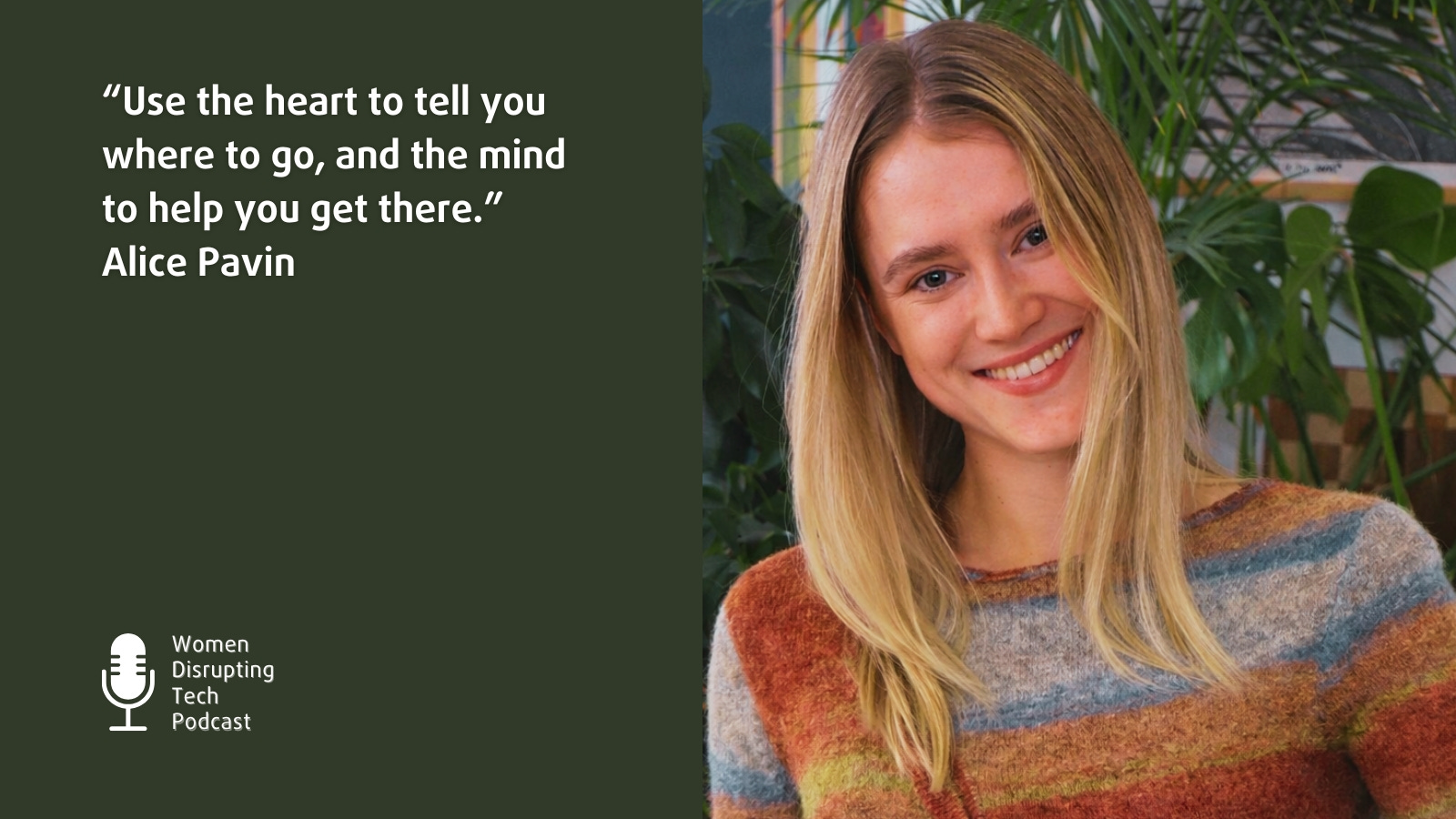
“The mind is an amazing tool. But it’s made to help you get where you want to go. The heart is the one that tells you where to go.”
For founders, this distinction changes how decisions are made. It separates ambition from anxiety. It allows you to build boldly without drifting away from yourself.
3 Things That Changed The Way I Think
I did not expect this episode to influence how I think about FundingCoach. It did. The guided visualization helped me find an answer to the question of why learning to code takes more time than I would like. But there were more insights. Here are three:
1. State Influences Strategy
I have spent years focusing on better arguments, sharper positioning, and stronger decks. This conversation reminded me that preparation also includes your internal state. It shapes the way you show up in a conversation, the calm or urgency in your voice, the energy you bring into a room. And with that, it influences the outcome more than I had previously acknowledged.
2. Microdosing as a Tool
This was the part that made me uncomfortable at first. I’m not a fan of performance-enhancing substances, other than coffee and tea, and I have always associated performance with discipline and structure. Alice introduced the possibility that for some, microdosing can be a complementary tool to help the mind access flow more easily and shorten the struggle phase.
3. My funding tool should consider founder state too
If I am building a funding coach that only evaluates slides and language, I am missing something. Founders do not just need better arguments. They need awareness of when something feels aligned and when it does not. That insight felt expansive. The implementation is still unclear. But the direction feels right.
This episode expanded my definition of preparation. Not by replacing structure, but by adding depth to it.
What changed your thinking? I would love to hear from you in the comments.
Coming up on Women Disrupting Tech
Next week, Oryna Starkina takes us back to founder territory and into a different kind of resilience.
We explore what happens when the worst-case scenario you’ve been rehearsing in your head actually unfolds. Oryna Starkina shares how building a tech company during the pandemic became unexpected preparation for running a business in a country at war.
From distributed teams and cross-border clients to morning routines and pole dancing as mental reset, this conversation reframes what resilience really looks like in practice.
At one point, she makes an observation that shifts the entire perspective: for anxious people, catastrophe can bring a strange kind of calm. When you have already imagined every worst-case scenario, and one finally happens, your mind stops spinning. You move from “what if” to “what now.”
Click play to hear Oryna explain why anxious founders may be more prepared than they think.
If you’ve ever wondered whether overthinking can become an advantage, or how to build something stable in unstable times, this episode might expand how you see crisis and opportunity.
What I Want to Leave You With
This episode does not offer quick fixes. It asks a different question: what if performance depends as much on your state as on your strategy?
For some founders, exploring practices that regulate the nervous system can include unconventional tools. If you are considering microdosing, read the research first and form your own view. You can find peer-reviewed studies on the NIH and Nature websites. Note that neither this episode nor the studies are an endorsement. They’re an invitation to think more broadly about how your state of mind influences performance.
Above all, this episode is an invitation to slow down long enough to notice the signals you already have. Your instincts and energy patterns are not noise. They are information.
If this episode gave you something to think about, I’d love to hear how it landed for you. Drop a comment in the chat.

About Alice Pavin
Alice Pavin is a certified Vinyasa yoga teacher and life and business coach who works at the intersection of performance, self-awareness, and regenerative systems. She supports purpose-driven entrepreneurs in building aligned and sustainable businesses, and she has previously led the Women in Ventures initiative at WorldStartup.
Alice grew up in Sweden, has lived across Europe, and is now based in the Netherlands. She believes that reconnecting with ourselves, each other, and nature is essential to building businesses that truly last.
For the women relating to the topics in this episode, she has developed a guide that helps you go deeper inwards and understand their path to wellbeing and success. You can download it here.
You can reach her via her website and Instagram, or by connecting with her on LinkedIn.


